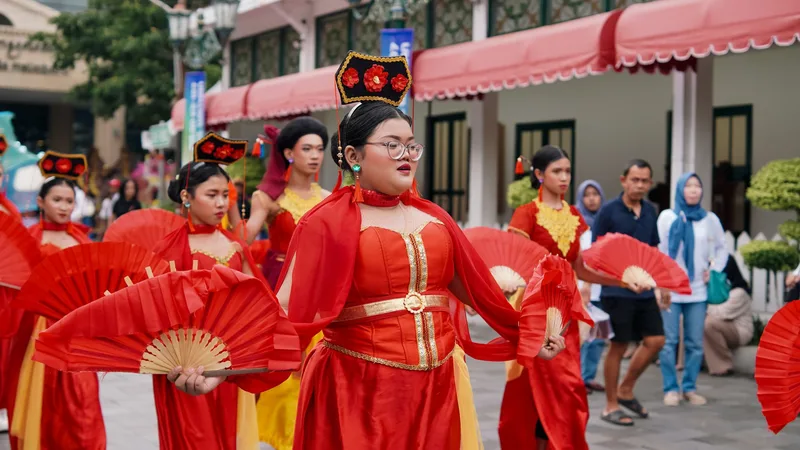
The camera pans over a street market in Bangkok, capturing the vibrant colors and sounds that define Southeast Asian life. Vendors shout their wares, families share meals, and street performers entertain passersby, all while the flickering lights of a nearby cinema beckon with the promise of storytelling
Southeast Asian cinema, rich in culture and history, offers a unique lens through which we can explore societal themes, personal struggles, and the beauty of everyday life. This magazine aims to foster discourse on these films, showcasing their impact and relevance in both local and global contexts.
Southeast Asian Film Criticism: A Deep Dive
Southeast Asian cinema has undergone significant transformation over the decades, evolving from modest beginnings to an industry that captivates audiences both locally and internationally. The region's film industry reflects a rich array of cultural narratives, shaped by historical events and societal changes. Understanding this evolution is crucial for film critics and enthusiasts alike, as it provides context for the diverse storytelling styles and themes that emerge from the various countries within Southeast Asia.
From indie films to mainstream blockbusters, the variety present in Southeast Asian cinema showcases the unique perspectives of its filmmakers. As we explore this cinematic field, we can identify key milestones that have defined the industry, including the rise of digital filmmaking and the increasing accessibility of film festivals. This evolution highlights the creativity of filmmakers and indicates a growing demand for Southeast Asian stories in the global market.
The Evolution of Cinema in Southeast Asia
The evolution of cinema in Southeast Asia is marked by various phases, each contributing to the industry’s current state. Early films focused primarily on local folklore and historical events, often reflecting the cultural values of the time. As technology advanced, filmmakers began to experiment with new genres and storytelling techniques. This shift allowed for more diverse narratives that resonated with younger audiences, paving the way for a new generation of filmmakers who are now making their mark on the world stage
Key Figures in Southeast Asian Filmmaking
Several influential directors have played a pivotal role in shaping the identity of Southeast Asian cinema. Figures such as Apichatpong Weerasethakul from Thailand and Brillante Mendoza from the Philippines have garnered international acclaim for their unique storytelling approaches. Their films often challenge societal norms, sparking discussions around identity and culture. By examining their contributions, we can appreciate the depth and complexity of the narratives that emerge from this region.
Cultural Themes in Southeast Asian Films
Cultural themes are intrinsic to Southeast Asian films, often serving as the backbone for storytelling. These films explore the intricacies of identity, belonging, and the tension between tradition and modernity. The narratives reflect the struggles and triumphs of individuals navigating their cultural landscapes. Understanding these themes enhances our appreciation for the nuanced portrayals of life in Southeast Asia and the diverse experiences depicted on screen.
As viewers engage with these films, they are invited to reflect on their own cultural identities and the broader societal issues at play. The exploration of these themes not only entertains but also educates, fostering a deeper understanding of the region's complexities. The films serve as a mirror to society, prompting discussions about what it means to belong and how tradition can coexist with modern influences.
Identity and Belonging
Identity and belonging are central themes in many Southeast Asian films, often portrayed through the lens of personal and collective experiences. Characters frequently grapple with their cultural identities, navigating the expectations of family and society. For instance, films like "The Road to Mandalay" highlight the struggles of migrants seeking a sense of belonging in a new land. These narratives resonate deeply with audiences, as they reflect universal themes of connection and displacement
Tradition vs. Modernity
The conflict between tradition and modernity is a recurring theme in Southeast Asian cinema. Filmmakers often depict characters caught between their cultural heritage and the pressures of contemporary life. This tension can be seen in films like "The Act of Killing," where historical events are re-examined in light of modern perspectives. By addressing these conflicts, filmmakers provoke thought and dialogue about the evolving nature of cultural values in a rapidly changing world. 🎬
The Role of Film Festivals in Southeast Asia
Film festivals play a crucial part in the development of Southeast Asian cinema. They serve as platforms for showcasing diverse stories, talents, and cultural expressions from the region. Festivals like the Jakarta International Film Festival and the Singapore International Film Festival have become essential for filmmakers, providing visibility and opportunities to connect with audiences and industry professionals alike. These events celebrate the rich cinematic heritage while promoting new voices in filmmaking.
They also offer a space for critical dialogue and exploration of pressing social issues through cinema. Attendees can engage in discussions, workshops, and panels that highlight the challenges and opportunities within the industry. This communal atmosphere fosters a sense of belonging and collaboration among filmmakers, critics, and film enthusiasts.
Major Film Festivals to Watch
Several film festivals stand out in Southeast Asia, each with its unique focus and significance. The following are some key events to keep an eye on:
- Busan International Film Festival - A major hub for Asian cinema, showcasing a wide variety of films and attracting international attention.
- Tokyo International Film Festival - Although not in Southeast Asia, it influences many regional filmmakers and serves as a networking opportunity.
- Singapore International Film Festival - Celebrates local and international filmmakers, emphasizing Southeast Asian narratives.
- Jakarta International Film Festival - Focuses on Indonesian cinema while providing a platform for regional filmmakers.
Networking Opportunities for Filmmakers
Film festivals create invaluable networking opportunities for filmmakers. They offer chances to meet producers, distributors, and fellow creatives, which can lead to collaborations and funding for future projects. Workshops and panels at these events often include industry veterans sharing insights and advice. Such interactions can help emerging filmmakers navigate the competitive landscape of the film industry. In a region rich with stories, these connections are vital for bringing new narratives to life.
Connecting Cinema and Online Wagering Markets
The intersection of cinema and online wagering markets is an intriguing topic, particularly in Southeast Asia. Fans are increasingly engaging with films not just as viewers but also as participants in betting on film outcomes. This trend reflects a growing interest in the entertainment value of films beyond traditional viewing experiences. As online platforms expand, they are beginning to offer options for viewers to wager on box office performance, award outcomes, and more. This shift indicates a merging of entertainment and investment, creating new avenues for fan engagement.
Betting on film outcomes can enhance the viewing experience, making it more interactive. Fans often analyze trailers, cast performances, and marketing strategies to make informed bets, adding a layer of excitement to the film-watching process. This phenomenon is not just about gambling; it fosters a deeper connection to the cinematic experience, blurring the lines between passive viewing and active participation.
The Rise of Betting on Film Outcomes
Betting on films has gained traction in recent years, particularly as online platforms have made it more accessible. Fans can now place wagers on various aspects, including which films will win awards or achieve box office success. This trend allows viewers to engage with films on a different level. It encourages them to follow industry developments closely and assess films critically. As this practice grows, it may influence how films are marketed and produced, catering to a more engaged audience. 🎬
Cultural Impact of Gambling in Film Narratives
Gambling often finds its way into the narratives of Southeast Asian cinema, reflecting cultural attitudes toward risk and fortune. Films frequently explore the themes of chance, luck, and the consequences of gambling. These narratives resonate with audiences who are familiar with the gambling culture prevalent in many Southeast Asian countries. By weaving gambling into storylines, filmmakers can comment on societal issues, such as economic disparity and moral dilemmas, making the films both entertaining and thought-provoking. This cultural impact showcases the complex relationship between cinema and gambling, enriching the storytelling landscape of the region.
The Future of Southeast Asian Cinema and iGaming
The landscape of Southeast Asian cinema is evolving, driven by emerging technologies and innovative storytelling methods. Filmmakers are increasingly adopting digital tools, enhancing production quality and audience engagement. For instance, Virtual Reality (VR) and Augmented Reality (AR) are being explored to create immersive experiences that draw viewers into the narratives. Streaming platforms are also reshaping how films are distributed, allowing for a broader audience reach. As these trends unfold, the potential for cross-industry collaborations becomes more apparent.
Moreover, filmmakers are experimenting with diverse genres and narratives that reflect the region's rich cultures and social issues. This not only enriches the cinematic landscape but also opens doors for new partnerships. The integration of technology in storytelling, coupled with a focus on authenticity, positions Southeast Asian cinema for a promising future. These advancements could lead to a surge in audience interest and investment in local film production.
Emerging Trends in Film Production
New technologies are reshaping film production in Southeast Asia. Filmmakers are utilizing tools like drones for aerial shots, which were previously costly and logistically challenging. Additionally, advancements in editing software allow for faster turnaround times, enabling creative teams to experiment more freely. Increased accessibility to high-quality cameras has democratized filmmaking, empowering independent creators to share their stories. As a result, we can expect a wider variety of films that reflect the region's diverse experiences and voices.
Integrating Casino Entertainment into Film
There’s a growing speculation around potential collaborations between the film and gaming industries in Southeast Asia. As iGaming becomes more popular, filmmakers might explore narratives that incorporate elements of casino entertainment. This can include storylines centered on gambling, poker tournaments, or even interactive experiences that engage audiences. Such collaborations could lead to unique marketing opportunities, where films promote related gaming platforms. With the right approach, this fusion could enhance viewer engagement and create new revenue streams for both sectors. 🎬