How Sound Design Shapes Emotion in Southeast Asian Films
James Murray ·
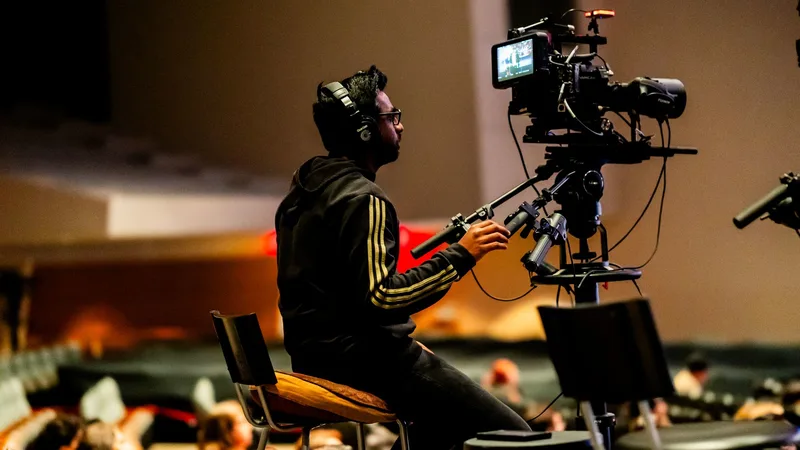
In the film 'The Act of Killing', a haunting scene unfolds as former Indonesian death squad leaders reenact their experiences. The chilling soundscape, a mix of eerie silence and jarring sound…
The Role of Sound in Southeast Asian Storytelling
Sound design plays a crucial role in Southeast Asian cinema, shaping the emotional tone of films and enhancing storytelling. The integration of local traditions into sound effects creates a unique auditory experience that resonates with audiences. Sounds are not mere background noise; they are woven into the fabric of the narrative, reflecting cultural identities and societal values. Examining the cultural significance of sound provides insight into how filmmakers use it to engage viewers on a deeper level
Music serves as an essential narrative device, conveying themes and emotions that visuals alone may not fully express. The melodies and rhythms used in these films often reflect the cultural heritage of the region, adding layers of meaning to the story. Understanding how music interacts with dialogue and sound effects provides a richer appreciation of Southeast Asian films. This exploration reveals the impact that sound has on the storytelling process.
Cultural Significance of Sound Effects
Local traditions heavily influence sound design in Southeast Asian cinema, with filmmakers often incorporating indigenous sounds and instruments. This practice enhances authenticity and connects the audience to their cultural roots. For instance, the use of traditional instruments like the gamelan in Indonesian films evokes a sense of place and time. The careful selection of sound effects can transport viewers into the heart of the story, making them feel as if they are part of the experience.
Music as Narrative Device
Music in Southeast Asian films is more than just a backdrop; it serves as a powerful narrative device. Themes are often conveyed through musical motifs that resonate emotionally with the audience. For example, a melancholic tune may accompany a scene of loss, amplifying the emotional weight of the moment. Additionally, music can signal shifts in tone or foreshadow events, guiding viewers through the film's arc. This intricate relationship between music and narrative enriches the storytelling experience.
Innovative Techniques in Sound Design
Innovative sound design techniques are pivotal in modern Southeast Asian cinema, allowing filmmakers to craft immersive experiences. By layering sounds, they create depth that enhances the storytelling process. Multiple sound layers can evoke different emotions, drawing the audience into the film's world. This complexity in sound design reflects the evolution of the industry, showcasing how filmmakers are pushing boundaries to engage viewers more effectively.
Among the techniques used, silence emerges as a powerful tool in sound design. The strategic use of silence can heighten tension or emphasize moments of introspection. In certain scenes, a sudden absence of sound can provoke a visceral reaction from the audience, making them acutely aware of the unfolding drama. Understanding how these innovative techniques are employed offers valuable insights into the artistry of sound design in film.
Layering Sounds for Depth
Layering sounds is a technique that adds richness to the auditory experience in films. By combining various sound elements—dialogue, music, and ambient noises—filmmakers can create a more dynamic and engaging atmosphere. This approach allows for a more nuanced storytelling experience, where each layer contributes to the overall emotion of a scene. For instance, the sound of bustling markets layered with traditional music can vividly transport viewers to a specific cultural setting, enhancing their connection to the narrative.
Silence as a Tool
Silence is often overlooked in sound design but can be one of the most effective techniques. Its absence can create tension or highlight critical moments in a film. A scene that suddenly goes silent forces the audience to pay attention, amplifying the emotional stakes. This technique can be particularly powerful in moments of conflict or revelation. By analyzing how silence is utilized, we can appreciate its role in enhancing the film's emotional impact, making it a crucial aspect of sound design.
Case Studies of Iconic Films
Exploring sound design in Southeast Asian cinema reveals how crucial it is to storytelling. In films like 'The Raid: Redemption,' sound is more than just background noise; it’s an integral part of the action. The film's intense fight sequences are amplified through a meticulous sound design that enhances every punch and kick. This attention to auditory detail creates a visceral experience for the audience, drawing them deeper into the chaos of the on-screen battles. Each sound cue is carefully crafted to evoke a specific reaction, making the viewer feel the adrenaline rush that the characters endure.
Another exemplary film, 'A Yellow Bird,' showcases how sound can reflect a character’s emotional journey. The film’s protagonist undergoes significant internal conflict, and the sound design mirrors this turmoil. As the story unfolds, the sound shifts from a serene ambiance to unsettling noises, emphasizing the character’s struggles. This dynamic use of sound engages the audience, allowing them to connect emotionally with the storyline. It’s a prime example of how sound can elevate a film beyond its visual elements.
Sound in 'The Raid: Redemption' (A look at action and sound integration.)
In 'The Raid: Redemption,' sound is a powerful tool that enhances the film's frenetic energy. The design team uses a mix of diegetic sounds, like the clashing of weapons and grunts of exertion, to immerse viewers in the action. The editing of these sounds, timed precisely with the choreography, creates a palpable tension. This meticulous attention to sound not only supports the visual storytelling but also amplifies the audience's emotional response. It’s a clear demonstration of how sound design can transform action sequences into immersive experiences.
'A Yellow Bird': Sound and Emotion (How sound reflects the protagonist's journey.)
'A Yellow Bird' uses sound to create a rich emotional landscape that parallels its protagonist's journey. The subtle shifts in sound, from peaceful to dissonant, act as an auditory diary of the character’s psychological state. As the narrative progresses, the sound design deepens, allowing viewers to feel the weight of the protagonist's burdens. This integration of sound and emotion enhances the storytelling and reinforces the film's themes of isolation and longing. Such thoughtful sound design invites the audience to reflect on their own emotional experiences, creating a lasting impact.
Sound Design's Broader Impact on Viewer Experience
Sound design plays a pivotal role in shaping viewer experiences in cinema. It influences how audiences connect with characters and narratives, making it a crucial element in film criticism. A well-executed sound design can evoke feelings of suspense, joy, or sadness, enhancing the overall impact of the story. The integration of sound and visual elements creates a more immersive experience, allowing viewers to engage with the film on multiple levels. Understanding this relationship is essential for any film critic looking to analyze the depth of a cinematic work.
Here are some ways sound design impacts viewer experience:
- Enhances emotional engagement with characters.
- Creates atmosphere and sets the tone of scenes.
- Guides audience reactions through sound cues.
- Influences memory retention of key moments. 🎬
Emotional Resonance and Audience Engagement (Connecting sound design to viewer feelings.)
Sound design fosters emotional resonance, making it a key factor in audience engagement. By aligning auditory elements with visual storytelling, filmmakers can evoke specific feelings. For instance, a suspenseful score can heighten tension, while a soft melody can evoke nostalgia. This connection between sound and emotion enhances the viewer’s experience, allowing them to feel more invested in the story. The impact of sound is profound; it guides the audience through the emotional landscape of the film, shaping their perceptions and reactions.
The Psychological Effect of Sound (How sound influences perception and memory.)
The psychological effects of sound are significant, influencing how we perceive and remember films. Research shows that sound can trigger emotional responses and enhance memory recall. When a particular sound is associated with a powerful scene, it can create lasting impressions in the viewer's mind. This is particularly relevant in the context of Southeast Asian films, where cultural soundscapes can evoke specific memories or feelings. By understanding these effects, filmmakers can craft sound designs that resonate deeply with audiences, leaving a lasting impact long after the credits roll.
Linking Sound Design to Online Wagering Markets
Sound design plays a pivotal role in shaping experiences in Southeast Asian films, but its influence extends beyond cinema into various industries, including online wagering markets. The auditory elements in films create an emotional landscape that resonates with viewers, enhancing their connection to the narrative. Just as sound can evoke feelings of joy or tension in a film, it also serves a critical function in gaming environments, where the right sounds can heighten excitement and engagement. This connection between sound and emotion is vital for understanding how online casinos leverage auditory cues to attract and retain players.
In the world of iGaming, sound design is meticulously crafted to not only entertain but also to create an immersive atmosphere. Players are drawn into the experience through carefully selected soundscapes that can mimic the thrill of a live casino or the serene ambiance of a tropical escape. As we explore how sound shapes the online gambling experience, it becomes evident that these auditory elements are essential tools for influencing player behavior and enhancing satisfaction.
The Sound of Winning
The sound of coins clinking or celebratory music playing can trigger a sense of victory in players. This phenomenon is not just about creating a pleasant auditory experience; it’s a strategic method employed by online casinos to enhance the overall gaming experience. Players often associate these sounds with winning moments, which can lead to increased engagement and prolonged playtime. For instance, a familiar sound cue that signals a win can evoke excitement and anticipation, mimicking the emotional highs experienced in a physical casino. By tapping into these auditory associations, online casinos create a more compelling environment that encourages players to keep spinning the reels or placing bets.
Emotional Triggers in Casino Games
Sound design in casino games is specifically engineered to influence player behavior. Various sound effects are used to elicit emotional responses, guiding players through their gaming journey. For example, the use of rising tones during a jackpot win can amplify feelings of excitement. Furthermore, subtle background music can maintain a sense of engagement, keeping players immersed in the game. Online casinos often employ psychological principles to determine which sounds best enhance player enjoyment and retention. This meticulous attention to sound design enhances the gaming experience and plays a crucial role in shaping player decisions and behaviors. 🎰